
“Could My Pet Have Cancer?” | Here Is What to Watch For
Noticing something different about your pet can stop you in your tracks. A lump you haven’t felt before. Weight coming off for no obvious reason. A tired, less eager version of the dog or cat you know so well. When those moments happen, cancer in dogs and cats is often one of the first fears that comes to mind.
We’ve created this guide to give you clear, easy-to-understand information, including what signs of cancer in pets actually look like, why early attention matters, and what the path forward can look like if your family veterinarian or one of our veterinary specialists suspects or confirms a diagnosis.
How Common Is Cancer in Dogs and Cats?
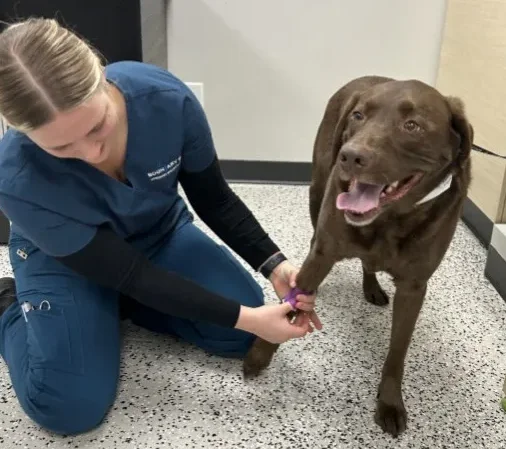
Pet cancer is more common than most owners realize. Beyond middle age, it becomes one of the leading causes of death in companion animals. More than a hundred distinct cancer types have been identified in dogs alone. Among them, mast cell tumours are the most frequently seen. In cats, lymphoma and leukemia account for the largest share of cancer diagnoses. Most cancers in pets are diagnosed in older animals, though genetics and breed can raise the risk in younger ones.
Warning Signs of Cancer in Dogs and Cats
No single symptom confirms a pet cancer diagnosis, and most of the signs below have other explanations far more often than they point to cancer. What matters is that any change you notice deserves a conversation with your family veterinarian or a veterinary specialist if you don’t have a primary veterinarian. Getting an answer early almost always means more choices. Warning signs may include, but aren’t limited to:
1Lumps, Bumps, or Swellings That Grow or Change
Running your hands along your pet during a regular cuddle or grooming session is genuinely one of the most useful things you can do. Abnormal lumps or swellings that are new, growing, changing in feel, or returning after a previous removal should be brought to your veterinarian’s attention. Many turn out to be benign, but none should go unexamined.
2Wounds or Sores That Will Not Heal
A cut or scrape that stays open well past when it should have closed can be a sign of infection, but in some cases it points to something deeper. Your family veterinarian can assess the area and determine whether further investigation is needed.
3Unexplained Weight Loss or Changes in Appetite
Weight that drops without any change in diet or a pet who has lost interest in food they once loved warrants a look. Trouble swallowing or eating is also worth flagging, as it can be an early sign of tumours affecting the mouth or throat.
4Abnormal Discharge or Bleeding
Anything coming from your pet’s body that seems out of place, including unusual nasal discharge, bleeding, or gastrointestinal symptoms that keep returning, should be evaluated. Persistent vomiting or diarrhea that does not clear up with routine treatment can sometimes point to tumours along the digestive tract.
5Persistent Bad Odour
A smell coming from your pet’s mouth, ears, or elsewhere on the body that does not improve with cleaning is worth mentioning at your next veterinary visit. Chronic odour in these areas can, in some cases, be associated with tumours of the mouth, nasal passages, or anal glands.
6Reduced Energy or Reluctance to Exercise
A pet that used to greet you at the door and now seems uninterested, or one that tires quickly on walks it once handled easily, may be signalling that something is wrong internally. Changes in stamina are easy to attribute to aging, but they can also be one of the earlier signs that an illness is present.
7Persistent Lameness or Limping
Limping that does not improve with rest is worth investigating, especially in large or giant breed dogs where bone cancer is more common. Osteosarcoma frequently presents as a gradual worsening of lameness, sometimes accompanied by noticeable swelling around a limb. When standard treatments for joint pain do not bring improvement, imaging of the affected area is often the next step.
8Difficulty Urinating or Defecating
Straining to urinate, visible blood in the urine, or recurring difficulty passing stool should prompt a veterinary visit. These signs have a range of causes, and bladder tumours are among the possibilities when symptoms keep returning despite treatment.
9A New or Persistent Cough
An older pet who develops a cough that lingers for more than a week or two, particularly one that sounds dry rather than productive, may need chest imaging to rule out lung tumours or cancer that has spread to the lungs. Coughing is common and can stem from many sources, but one that does not resolve is worth investigating.
10Abdominal Swelling or Distention
A belly that seems noticeably rounder or firmer than usual, without an obvious cause like a large meal, can be a signal that something is changing internally. Abdominal tumours and internal bleeding can both produce this kind of visible change, and an ultrasound is usually the quickest way to understand what is happening.
Common Types of Cancer in Dogs
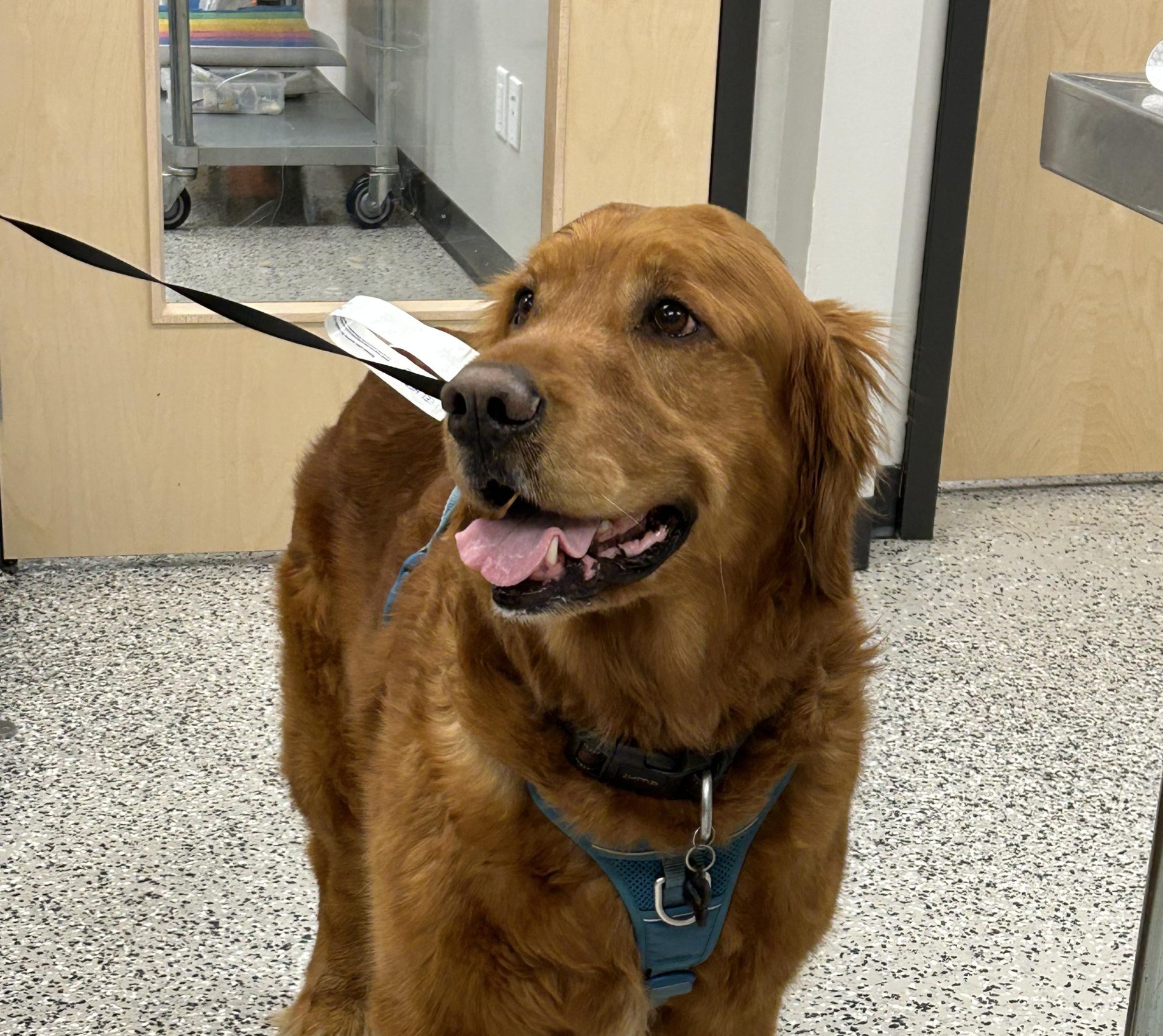
Mast Cell Tumours: Appear as lumps on or beneath the skin that can look harmless but always require testing.
Osteosarcoma (Bone Cancer): Most common in large and giant breeds, typically first noticed as a worsening limp or swelling around a limb that does not improve with rest.
Lymphoma: Can cause firm, enlarged lymph nodes under the jaw, in front of the shoulders, or near the back legs, alongside gradual changes in energy and appetite.
Hemangiosarcoma: A cancer of the spleen, heart, or skin that often develops without warning signs until a rupture causes sudden collapse or extreme weakness.
Common Types of Cancer in Cats
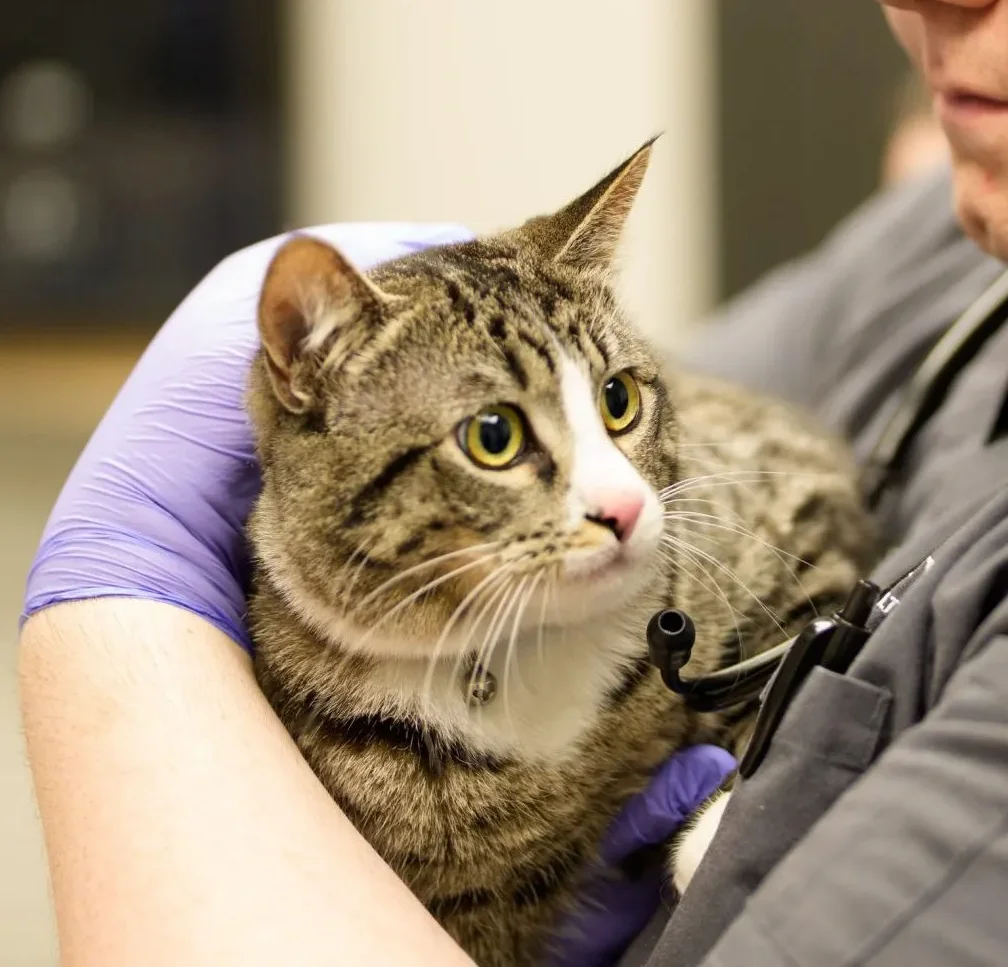
Lymphoma: The most commonly diagnosed cancer in cats, often presenting gradually through weight loss, recurring vomiting or diarrhea, or a reduced interest in food.
Leukemia: May appear as fatigue, pale gums, swollen lymph nodes, or a general decline that can be easy to attribute to aging.
Mammary Tumours: More commonly malignant than benign in cats, making any lump along the mammary chain warrant prompt veterinary evaluation regardless of the cat’s age.
Cats tend to mask signs of illness longer than dogs do, which means changes can be subtle and build gradually before they become obvious.
Across many cancer types in cats, unexplained weight loss is often the first change owners notice, and the one that finally prompts a visit to the veterinarian.
When Should I Contact My Family Veterinarian?
Your family veterinarian is the right first call any time you notice a change that concerns you. They can conduct a physical examination, may recommend bloodwork, imaging, or a fine needle aspirate to gather more information, and will advise you on next steps based on what they find.
If cancer is suspected or confirmed, your family veterinarian may recommend a referral to a board-certified veterinary oncologist for specialized diagnosis and treatment planning. This is a collaborative process, and your family vet remains part of your pet’s care team throughout.
Don’t have a primary veterinarian available? Boundary Bay Veterinary Specialty Hospital is open 24/7/365, and no referral is required for emergencies or critical concerns.
What Does a Veterinary Oncologist Do?

Veterinary oncologists specialize in diagnosing and treating cancer in dogs and cats using chemotherapy, immunotherapy, radiation therapy, and other targeted approaches.
They also have access to treatments that are not available outside a specialty setting, and they build treatment plans around the individual patient rather than a general protocol.
A board-certified veterinary oncologist has completed four years of veterinary school, followed by several additional years of residency and internship training focused specifically on cancer in animals.
They have also contributed original research to a peer-reviewed journal and passed the certification examinations of the American College of Veterinary Internal Medicine.
Cancer Treatment for Dogs and Cats
A cancer diagnosis in pets can feel like the end of something, but for many cats and dogs, it is the beginning of a period of active, thoughtful care. Treatment has come a long way, and what is possible depends significantly on the type of cancer, where it is, how far it has progressed, and what the owner hopes for.
Options that may be discussed include:
- Chemotherapy for dogs and cats: Pets tolerate chemotherapy much better than humans typically do. Doses and protocols are adjusted based on how each patient is responding, resulting in improved quality of life and disease control.
- Surgery: For many solid tumours, surgical removal is a central part of treatment, sometimes on its own and sometimes alongside other therapies.
- Radiation therapy: A consultation with our oncology team can help determine whether radiation is appropriate for your pet’s specific situation.
- Immunotherapy and biological treatments: Options including Palladia and the Merial Melanoma Vaccine are available for select cancer types.
- Palliative care: For owners who choose not to pursue aggressive treatment, palliative care focuses on comfort and quality of the time remaining.
No matter the diagnosis, the goal is more good days, not just more days.
Veterinary Oncology at BBVSH, Surrey, BC
Boundary Bay Veterinary Specialty Hospital is home to two board-certified veterinary oncologists serving dog and cat owners across Metro Vancouver, the Fraser Valley, greater British Columbia, and northern Washington.

Dr. Sarah Charney DVM, DACVIM (Oncology), DACVR (Radiation Oncology)
Dr. Charney has been treating pets with cancer since 1999 and is co-owner of BBVSH. She has also experienced the other side of that relationship, having had her
own pets through cancer. That combination of clinical expertise and personal understanding shapes how she and her team approach every case.

Dr. Kirsten Elliot DVM, MVSc, DACVIM (Oncology)
Dr. Elliot works alongside Dr. Charney in the oncology department, bringing her own specialization to the team’s diagnostic and treatment work.
Both oncologists work closely with Boundary Bay Veterinary Specialty Hospital’s board-certified surgeons, internal medicine specialists, and diagnostic imaging team on-site. Having that range of specialists under one roof means that when your pet’s case calls for input from more than one area, those conversations happen quickly and in person.
Oncology appointments are available five days per week. A referral from your family veterinarian is the standard pathway to our oncology service. If you are concerned about your pet’s condition and cannot wait for a scheduled appointment, please contact us directly.
Boundary Bay Veterinary Specialty Hospital is located at 10436 173 St, Surrey, BC V4N 5H3 (Get Directions)
Phone: (604) 514-8383
Email: info@bbvsh.com
Related Reading:
